By Ethiopian BeansJan 21, 202611 min read
Washed vs Natural Ethiopian Coffee Explained
Key Takeaway
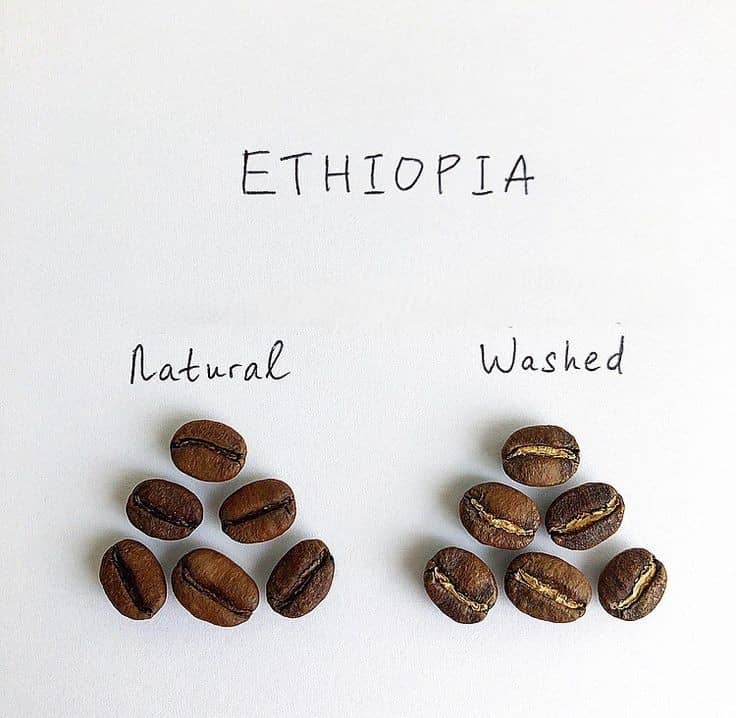
"Washed" and "natural" describe how the coffee cherry is removed from the bean after harvest. Washed Ethiopian coffee has the fruit stripped away before drying, producing a clean, bright cup with floral and citrus notes. Natural Ethiopian coffee is dried with the fruit still attached, creating a sweeter, heavier cup with bold berry and wine-like flavours. The same Ethiopian region can taste dramatically different depending on which method is used. Understanding this one variable will change how you shop for and enjoy Ethiopian coffee.
You have probably seen the words "washed" or "natural" on a bag of Ethiopian coffee and wondered what they mean. They are not marketing buzzwords. They describe the single most important step between the coffee tree and your cup: processing.
Processing determines whether your Ethiopian coffee tastes like jasmine and lemon or like blueberry jam and dark chocolate. It is the reason a Yirgacheffe can taste tea-like and delicate in one bag and intensely fruity in another, even though both came from the same region.
This guide explains both methods in plain language, compares what they do to the flavour of Ethiopian coffee from each major region, and helps you decide which style to try based on what you already know you like.
What Does Coffee Processing Actually Mean?
Coffee beans are seeds inside a fruit called a coffee cherry. The cherry has several layers: an outer skin, a sweet sticky layer called mucilage, a thin parchment shell, and finally the bean itself. Before the bean can be dried, shipped, and roasted, those outer layers need to come off.
How and when those layers are removed is what we call processing. There are two main methods used in Ethiopia: washed (also called wet process) and natural (also called dry process). Each one interacts with the bean differently during drying, and that interaction shapes the final flavour in your cup.
Ethiopia is one of the few origins where both methods are widely used across the country. In many other coffee-producing nations, one method dominates. Ethiopian farmers and washing stations switch between washed and natural processing depending on the region, the harvest, and market demand. This gives you, the consumer, a genuine choice every time you buy Ethiopian coffee. Kenya, Ethiopia's neighbour, relies almost entirely on washed processing with a distinctive double fermentation method. See our Ethiopian vs Kenyan coffee comparison to learn how that processing difference shapes the cup.
Washed Ethiopian Coffee: Clean, Bright, Floral
How Washed Processing Works
After harvest, ripe cherries are delivered to a washing station. A machine called a depulper removes the outer skin and most of the mucilage. The beans, still coated in a thin layer of residual mucilage, go into fermentation tanks filled with water. They soak for 12 to 36 hours, depending on altitude and ambient temperature. During fermentation, naturally occurring microbes break down the remaining mucilage.
Once fermentation is complete, the beans are thoroughly washed with clean water to remove all remaining fruit material. They are then spread on raised drying beds, where they dry slowly in the sun for 10 to 15 days. Workers turn them regularly to ensure even drying.
The result is a bean that has had almost zero prolonged contact with the fruit. Every flavour in the cup comes from the bean itself, the terroir, and the roast.
What Washed Ethiopian Coffee Tastes Like
Washed processing produces the cleanest, most transparent cup. Because the fruit does not influence the bean during drying, the flavours you taste are a direct expression of the coffee's genetics, soil, and altitude.
- Acidity: Bright, crisp, and pronounced. Often described as citric (lemon, grapefruit) or malic (green apple).
- Body: Light to medium. Tea-like, silky, sometimes almost transparent.
- Flavour notes: Jasmine, bergamot, lemon zest, peach, black tea, honey. The florals in washed Ethiopian coffee are among the most distinctive in the entire coffee world.
- Finish: Clean and lingering. No heavy aftertaste.
If you enjoy white wine, green tea, or light floral flavours, washed Ethiopian coffee will feel immediately familiar.
Natural Ethiopian Coffee: Fruity, Sweet, Bold
How Natural Processing Works
Natural processing is the oldest method in coffee, and Ethiopia is where it began. After harvest, whole cherries are spread directly onto raised drying beds with the fruit still intact around the bean. No depulping, no water, no fermentation tanks.
The cherries dry in the sun for 15 to 25 days, sometimes longer. During this time, the sugars and organic acids in the fruit ferment slowly and seep into the bean. The fruit essentially candies around the seed, infusing it with sweetness and fruit character that would not exist otherwise.
Once fully dried, the hardened fruit husk is mechanically removed to reveal the green bean inside. This bean carries flavour compounds from both the seed and the fruit, creating a cup profile that is fundamentally different from washed coffee.
What Natural Ethiopian Coffee Tastes Like
Natural processing produces a bolder, fruitier, and sweeter cup. The extended contact with the cherry fruit adds layers of flavour that are not present in washed coffee.
- Acidity: Lower and rounder than washed. Sometimes described as wine-like or fermented rather than crisp.
- Body: Medium to full. Syrupy, creamy, or velvety mouthfeel.
- Flavour notes: Blueberry, strawberry, mango, dark chocolate, dried fig, wine, caramel. Natural Ethiopians are some of the most intensely fruity coffees available anywhere.
- Finish: Sweet and lingering, sometimes with a jam-like quality.
If you enjoy fruit-forward red wines, berry desserts, or bold flavours in general, natural Ethiopian coffee is your starting point.
Washed vs Natural: Side-by-Side Comparison
| Characteristic | Washed | Natural |
|---|---|---|
| Fruit removal | Before drying | After drying |
| Drying time | 10 to 15 days | 15 to 25 days |
| Acidity | Bright and crisp | Rounded and wine-like |
| Body | Light to medium | Medium to full |
| Typical flavour notes | Jasmine, citrus, tea, stone fruit | Blueberry, strawberry, chocolate, wine |
| Sweetness | Subtle, honey-like | Bold, syrupy, caramel |
| Best described as | Elegant and transparent | Bold and expressive |
How Processing Changes Each Ethiopian Region
The same beans from the same hillside can taste completely different depending on whether they are washed or naturally processed. Here is what to expect from each major Ethiopian coffee region.
Yirgacheffe
Yirgacheffe is most famous for its washed coffees, which are often described as "the champagne of coffee." Expect jasmine, bergamot, lemon, and a tea-like body so clean it barely feels like coffee. Natural Yirgacheffe is less common but gaining popularity. It trades the floral elegance for intense tropical fruit and berry sweetness, while still retaining a distinctive citrus brightness that other natural coffees lack.
Sidamo
Sidamo produces excellent coffee in both styles. Washed Sidamo is clean and balanced, with stone fruit (peach, apricot) and a gentle citrus acidity. Natural Sidamo shifts toward blueberry, dark chocolate, and brown sugar, with a heavier body and a sweet, lingering finish. Sidamo is one of the best regions to try both processing methods side by side because the differences are so clear.
Guji
Guji has become the darling of natural processing in Ethiopian specialty coffee. Natural Guji is often intensely fruity, with blueberry, mango, and wine-like fermentation notes. The body is rich and syrupy. Washed Guji is less widely known but offers complex stone fruit and floral notes with a cleaner finish. If you want to taste the most dramatic example of what natural processing does to Ethiopian coffee, start with Guji.
Harar
Harar is almost exclusively natural processed. The region's hot, dry climate makes natural drying the practical choice, and it produces some of the boldest Ethiopian coffees available. Expect wild berry, dried fruit, mocha, and earthy spice. Harar naturals are not subtle. They are for drinkers who want maximum intensity and a cup that tastes nothing like any other coffee. Of all Ethiopian regions, Harar sits closest to Yemeni coffee in character; our Ethiopian vs Yemeni coffee comparison breaks down the tasting differences side by side.
Limu
Limu is predominantly washed, producing coffees with gentle citrus, honey sweetness, and a smooth, approachable body. It is one of the mildest Ethiopian coffees and a good starting point for anyone who finds other African origins too intense. Natural Limu is rare but occasionally available, adding mild berry sweetness to an otherwise restrained profile.
| Region | Washed Flavour | Natural Flavour | Most Common |
|---|---|---|---|
| Yirgacheffe | Jasmine, bergamot, lemon, tea | Tropical fruit, berry, citrus | Washed |
| Sidamo | Peach, apricot, citrus | Blueberry, chocolate, brown sugar | Both |
| Guji | Stone fruit, floral, clean finish | Blueberry, mango, wine, syrupy | Natural |
| Harar | Rarely available | Wild berry, mocha, dried fruit, spice | Natural |
| Limu | Mild citrus, honey, smooth | Rare; mild berry sweetness | Washed |
How to Read the Label
Quality Ethiopian coffee bags typically list the processing method somewhere on the label. Here is what to look for:
- "Washed" or "Wet Process" means the fruit was removed before drying. Expect a cleaner, brighter cup.
- "Natural" or "Dry Process" means the cherry dried intact around the bean. Expect more fruit and sweetness.
- "Honey Process" is a third method (less common in Ethiopia) where some mucilage is left on during drying. It falls between washed and natural in both body and sweetness.
If the bag does not mention a processing method at all, it is likely a commercial-grade blend or the roaster has chosen not to share that detail. For specialty Ethiopian coffee, this information is almost always included. Our bags always list origin, processing method, altitude, and tasting notes so you know exactly what you are getting.
Which Processing Method Should You Try?
Try Washed If You...
- Prefer clean, crisp flavours over heavy, fruity ones
- Enjoy tea, white wine, or citrus-forward beverages
- Want to taste the true character of a specific growing region
- Drink your coffee black (washed coffees are especially rewarding without milk or sugar)
- Are new to Ethiopian coffee and want to start with something approachable
Start with: Washed Yirgacheffe or washed Sidamo.
Try Natural If You...
- Love fruity, sweet, or dessert-like flavours in your coffee
- Enjoy red wine, berry smoothies, or dark chocolate
- Want something that tastes unlike any other coffee you have tried
- Like a heavier body and richer mouthfeel
- Are looking for a bold coffee that pairs well with chocolate and desserts
Start with: Natural Guji or natural Sidamo.
Roast level interacts with processing method too. Natural beans often shine at medium roast, while washed beans tend to be best at light roast. See our guide to the best roast for Ethiopian coffee for region-by-region recommendations.
Not Sure? Start Here
Buy one washed and one natural from the same region (Sidamo is ideal for this) and brew them both the same way. Tasting them side by side is the fastest way to understand how processing shapes flavour. You will likely develop a clear preference within two or three cups. Many people end up enjoying both for different occasions: washed for a clean morning cup, natural for an afternoon treat.
Brewing Tips for Each Processing Style
Processing affects more than flavour. It also changes how the bean responds to extraction. A few small adjustments will help you get the best out of each style. For full method-by-method instructions, see our Ethiopian coffee brewing guide.
| Variable | Washed | Natural |
|---|---|---|
| Best brew method | Pour over (V60, Chemex) | AeroPress, French press, immersion |
| Grind size | Medium-fine | Medium (slightly coarser) |
| Water temperature | 92 to 96 °C | 90 to 94 °C (slightly lower) |
| Why | Higher temp extracts the delicate florals and citrus | Lower temp prevents over-extracting the fruit sugars, which can taste harsh |
| Ratio | 1:16 (coffee to water) | 1:15 (slightly stronger to match the heavier body) |
These are starting points. Adjust to taste. The most important thing is to brew fresh: grind just before brewing, use filtered water, and do not let brewed coffee sit on a hot plate. Ethiopian coffee, regardless of processing, is at its best when fresh and full of antioxidants.
Try Both and Taste the Difference
Browse our selection of washed and natural Ethiopian coffees. Every bag lists the origin region, processing method, altitude, and tasting notes so you can pick the style that matches your palate.
Related Articles
Coffee Origins
Buying, Brewing and More
- Buy Ethiopian Coffee: A Buyer's Guide
- How to Brew Ethiopian Coffee at Home
- Ethiopian Coffee Food Pairing: A Practical Guide
- The Ethiopian Coffee Ceremony: A Complete Guide
- Ethiopian Coffee Health Benefits: What to Know
- Ethiopian vs Colombian Coffee: Key Differences
- Browse All Ethiopian Coffees
- How to Order Ethiopian Coffee
About This Insight: Written by Ethiopian Beans, a Canadian coffee company sourcing at origin in Ethiopia through Ethio Coffee Export. Processing information is based on standard practices at Ethiopian washing stations and may vary by producer. For current product availability and details, please contact us.