By Ethiopian BeansJan 27, 202610 min read
How to Store Ethiopian Coffee Beans in Canada
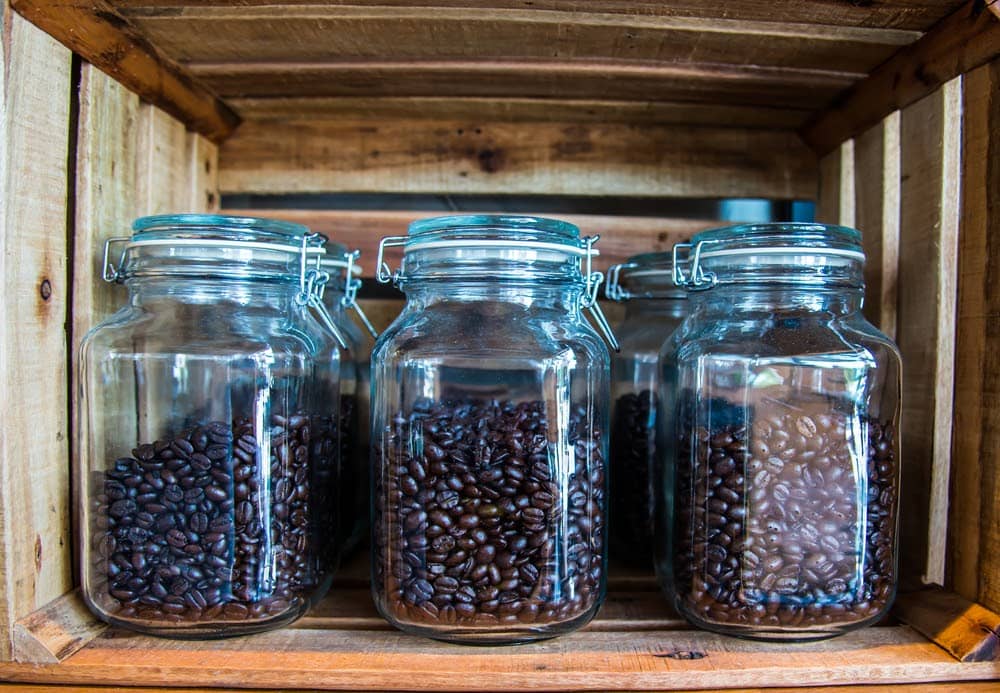
Key Takeaway
The best way to keep Ethiopian coffee fresh in Canada is simple: buy whole beans in smaller batches, store them airtight in a cool dark cabinet, and grind only what you brew. Use freezer storage only for sealed backup portions you will not open daily.
If you are wondering how to store Ethiopian coffee beans at home, the answer is not complicated, but details matter. Ethiopian coffees carry delicate jasmine, citrus, and berry aromatics that fade faster when beans are exposed to air, heat, moisture, and light.
Canadian homes add one extra challenge. Indoor humidity can drop sharply in winter, while summer kitchens can get warm and humid. Both conditions can flatten flavour if storage is inconsistent. This guide gives you practical, consumer-friendly steps that work in real Canadian homes.
How to Store Ethiopian Coffee Beans for Maximum Freshness
Start with four non-negotiables. Keep beans away from oxygen, light, heat, and moisture. The National Coffee Association also recommends airtight storage and buying coffee in amounts you can use quickly.
| Storage Factor | Best Practice | What to Avoid |
|---|---|---|
| Air | Opaque airtight container | Clips on partly open bags |
| Light | Cupboard or pantry shelf | Glass jars on counters |
| Temperature | Stable room temperature | Near oven, dishwasher, sunny windows |
| Moisture | Dry cabinet, no steam exposure | Fridge door storage |
How Long Ethiopian Coffee Beans Stay Fresh
Use roast date first, not best-before date. For most specialty Ethiopian coffee, ideal flavour is usually between day 7 and day 35 after roast, assuming proper storage.
- Unopened bag: usually best within 6 to 8 weeks from roast date.
- Opened whole beans: best within 2 to 4 weeks.
- Ground coffee: best flavour drops within days. For a full breakdown of how freshness differs between whole beans and ground coffee, see our whole bean vs ground guide.
If your coffee tastes flat, papery, or muted compared with week one, storage is often the cause. Before changing brew recipes, fix storage first, then use your brew settings from our home brewing guide.
Freezing Coffee Beans in Canada, When It Helps and When It Hurts
Freezing can help, but only for backup portions. The problem is not freezing itself. The problem is repeated thawing and moisture condensation on beans.
Use freezer storage only if all three are true
- You bought more coffee than you can drink in 3 to 4 weeks.
- You divide beans into small sealed portions first.
- You thaw a portion once, then keep it at room temperature and use it.
Do not do this
- Do not open and close one large frozen bag daily.
- Do not move the same beans from freezer to counter repeatedly.
- Do not return thawed beans to the freezer.
For people buying a few bags at once, portioning can save flavour and money. If you buy one bag at a time, pantry storage is usually better and simpler.
Canadian Weather and Your Coffee, A Seasonal Storage Plan
Canada has large seasonal swings. You do not need expensive equipment, but you should adjust where you store coffee across the year. Historical climate normals from Environment and Climate Change Canada show why indoor conditions can vary sharply by season.
Winter (dry indoor air)
- Keep beans away from forced-air vents and radiators.
- Use airtight containers with a strong seal.
- Buy smaller quantities if your heat runs continuously.
Summer (heat and humidity)
- Store coffee in the coolest shaded cabinet, not near the stove.
- Avoid transparent canisters on bright counters.
- Keep lids closed between every brew session.
Best Containers for Ethiopian Coffee Beans
Choose a container that is opaque, airtight, and easy to close quickly. Vacuum canisters can be useful, but a high-quality airtight canister already solves most home problems.
- Best overall: opaque stainless container with silicone seal.
- Good budget option: BPA-free airtight pantry canister kept in a dark cabinet.
- Avoid: decorative glass jars left in sunlight.
7-Step Coffee Freshness Routine for Busy Homes
- Check roast date when your order arrives.
- Keep one active container for daily use.
- Store the rest sealed and untouched.
- Grind immediately before brewing.
- Keep scoop and grinder dry.
- Do a quick aroma check every week.
- Reorder before you run out, not after beans go stale.
This routine works especially well for aromatic coffees like Yirgacheffe and fruit-forward Guji, where freshness changes are easy to notice in the cup.
One of the easiest ways to stay ahead of freshness is to set up a recurring delivery. A coffee subscription times each roast to your delivery schedule, so beans arrive within days of roasting and you reorder before your current bag goes stale.
Common Storage Mistakes That Kill Flavour
Buying too much at once
Large orders are only useful if you portion and store correctly. For most households, one to two bags at a time gives better cup quality.
Keeping coffee beside heat sources
Counter spots near ovens and kettles create daily temperature spikes that age beans quickly.
Storing pre-ground for convenience
Grinding in advance makes mornings easier but removes many floral and citrus aromatics within days.
Conclusion, How to Store Ethiopian Coffee Beans Without Guesswork
If you follow one rule, make it this: buy fresh whole beans, store them airtight and dark, and brew through them quickly. That simple system preserves the character you paid for. For most households, that is the best answer to how to store Ethiopian coffee beans in Canada.
Keep Your Ethiopian Coffee Fresher for Longer
Choose coffees roasted for clarity, order in practical sizes, and get guidance on storage and brewing from our team.
Get fresher flavour at home with the right beans, roast dates, and handling tips.
Related Articles
Buying and Brewing
Flavour and Origins
Culture and Pairings
Practical Next Steps
About This Insight: Written by Ethiopian Beans. Information reflects conditions and guidance available at time of publication. For current product availability, shipping windows, and recommendations, please contact us.