By Ethiopian BeansApr 5, 202610 min read
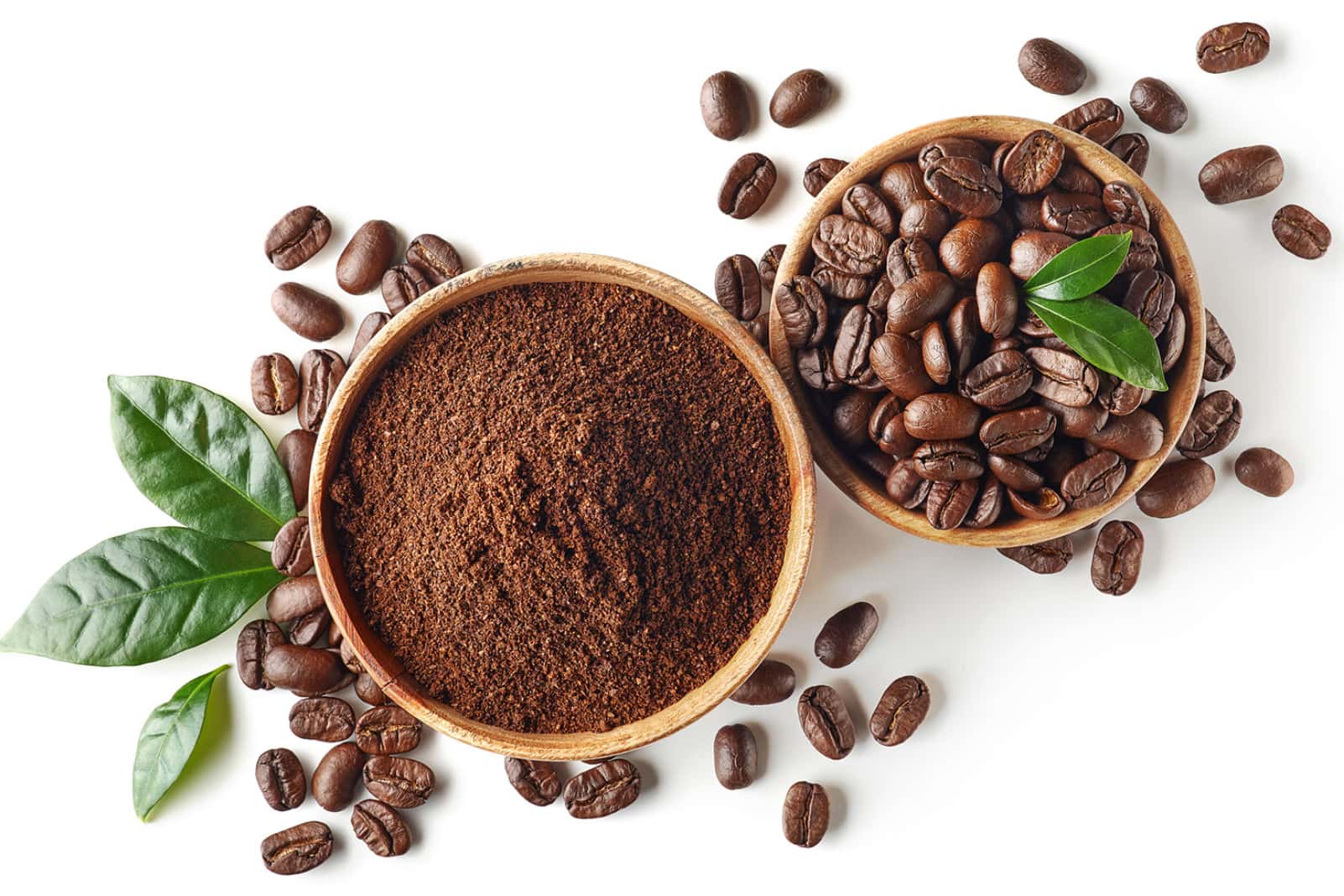
Whole Bean vs Ground Ethiopian Coffee
Key Takeaway
Whole bean Ethiopian coffee preserves the delicate floral, citrus, and berry aromatics that make Ethiopian beans exceptional. Ground coffee loses up to 60% of its aromatic compounds within 15 minutes of grinding. For specialty Ethiopian coffee shipped across Canada, buying whole bean and grinding fresh before each brew delivers noticeably better flavour per dollar spent.
Choosing between whole bean vs ground Ethiopian coffee is not just a matter of convenience. Ethiopian coffee is prized for volatile aromatic compounds that produce jasmine, bergamot, blueberry, and citrus notes. These compounds begin breaking down the moment the bean is ground. For a coffee whose entire value rests on flavour complexity, the format you buy determines how much of that complexity actually reaches your cup.
This guide breaks down the practical differences between whole bean and ground Ethiopian coffee: freshness, flavour, cost, and convenience. It also covers why the whole bean advantage is more pronounced with Ethiopian coffee than with most other origins, and when pre-ground still makes sense.
Why This Choice Matters More for Ethiopian Coffee
The whole bean vs ground debate applies to all coffee, but the stakes are higher with Ethiopian beans. Here is why.
Ethiopia is the birthplace of Arabica coffee and remains Africa's largest producer. The International Coffee Organization (ICO) ranks Ethiopia among the top five coffee-producing nations globally, with virtually all of its output being Arabica grown from heirloom varieties. Ethiopian coffee contains a higher concentration of volatile aromatic compounds than most other origins. Yirgacheffe beans carry jasmine and lemon blossom notes from linalool and limonene. Guji beans produce dark cherry and peach from specific ester compounds. Harar develops blueberry and wine notes from dried-fruit fermentation. All of these compounds are volatile, meaning they evaporate rapidly once the protective cell structure of the bean is broken open by grinding.
With a lower-complexity coffee (commodity blends, dark-roasted beans where the roast character dominates), pre-grinding causes less perceptible loss. The flavour profile is simpler, so the degradation is less noticeable. With Ethiopian coffee, the loss is immediate and significant. The very qualities you are paying a premium for are the first to disappear.
This is why specialty roasters, including Ethiopian Beans, recommend whole bean as the default for buying Ethiopian coffee. You are protecting the investment you made in a quality product.
Whole Bean vs Ground Ethiopian Coffee: Core Differences
| Factor | Whole Bean | Pre-Ground |
|---|---|---|
| Peak freshness | 2-4 weeks after roast | 20-30 minutes after grinding |
| Flavour complexity | Full range of origin character | Reduced aromatics; base flavours remain |
| Grind control | Adjustable for any brew method | Fixed at a single grind size |
| Convenience | Requires a grinder and 30-60 seconds | Ready to brew immediately |
| Cost per cup | Lower waste if dialled in correctly | Slightly more waste from staling |
| Equipment needed | Burr grinder ($40-200 CAD) | None beyond your brewer |
Freshness and Shelf Life
Coffee freshness comes down to surface area and oxidation. A whole bean has a relatively small surface area exposed to air. The moment that bean is ground, the surface area increases by a factor of roughly 10,000. Oxygen, moisture, and light immediately begin breaking down the oils and aromatic compounds inside.
Whole Ethiopian coffee beans stored properly maintain peak flavour for two to four weeks after roasting. Ground Ethiopian coffee begins losing its top notes within minutes. After 24 hours in an unsealed container, the delicate floral and fruit character that defines Ethiopian coffee is noticeably diminished. After a week, the coffee still tastes acceptable, but the region-specific character that separates Yirgacheffe from Sidamo from Guji becomes harder to distinguish.
For Canadian buyers receiving coffee by mail, this timeline matters. According to the Coffee Association of Canada, over 70% of Canadian adults drink coffee daily, yet most are accustomed to pre-ground commodity blends and have never experienced freshly ground specialty beans. A bag shipped across the country may take two to five business days in transit. If that coffee is pre-ground, it has already lost several days of its narrow freshness window before you brew the first cup. When you are shopping online, our guide to reading Ethiopian coffee labels in Canada helps you check whether the bag gives enough freshness detail to trust.
Flavour and Aroma
The tasting notes listed on Ethiopian coffee bags describe volatile compounds. Jasmine comes from linalool. Citrus brightness comes from citric and malic acids interacting with aromatic esters. Blueberry in natural-processed beans comes from ethyl butyrate and related fruit esters.
These compounds exist inside the intact bean cell structure. Grinding shatters that structure, releasing them into the air. Some reach your cup if you brew immediately; the rest dissipate. Pre-ground coffee still contains the base sugars, organic acids, and caffeine that give coffee its fundamental taste. What it loses are the top notes: the floral, fruity, and herbal nuances that make Ethiopian coffee worth seeking out.
If you have ever noticed that a cup of pre-ground Ethiopian coffee tastes flat or generic compared to the same beans ground fresh, this is precisely why. The difference is not subtle.
Grind Control and Brewing Flexibility
Different brewing methods require different grind sizes. A pour over needs medium-fine. A French press needs coarse. Espresso needs fine. Cold brew needs extra coarse. Pre-ground coffee locks you into a single grind size chosen at the time of packaging.
Whole bean gives you the flexibility to match your grind to your brewer, adjust for different Ethiopian regions (lighter, denser beans from high-altitude areas like Yirgacheffe may need a slightly finer setting), and dial in your extraction by feel. If a cup tastes sour, you grind finer. If it tastes bitter, you grind coarser. Pre-ground removes that adjustment ability entirely.
Convenience
Pre-ground coffee is genuinely more convenient. You open the bag, measure, and brew. There is no grinder to clean, no extra step in the morning routine.
Grinding whole beans adds roughly 30 to 60 seconds to your brewing process. A hand grinder requires a few minutes of manual effort. An electric burr grinder finishes in under 15 seconds. For most home brewers, the time difference is minimal once grinding becomes habitual. However, convenience is a valid consideration, and there are situations where pre-ground is the practical choice (see below).
Cost
Whole bean and pre-ground Ethiopian coffee typically cost the same per bag from specialty roasters. The apparent added cost of whole bean is the one-time grinder purchase. A reliable entry-level burr grinder costs $40-80 CAD. A quality mid-range model runs $100-200 CAD. This is a one-time investment that pays for itself quickly: because whole bean coffee stays fresh longer, you waste less. A bag of pre-ground coffee that goes stale before you finish it is wasted money regardless of its sticker price.
How Ethiopian Coffee Degrades After Grinding
Understanding the degradation timeline helps you make practical decisions about when to grind and how much to buy.
| Time After Grinding | What Happens | Flavour Impact |
|---|---|---|
| 0-15 minutes | CO₂ release peaks; volatile aromatics begin escaping | Minimal loss if brewed within this window |
| 15 minutes - 1 hour | Up to 60% of volatile aromatics dissipated | Floral top notes (jasmine, bergamot) fade |
| 1-24 hours | Oxidation accelerates; oils turn rancid | Fruit notes diminish; stale, papery notes appear |
| 1-7 days | Moisture absorption and continued oxidation | Region-specific character largely gone; generic coffee taste |
| 1-4 weeks | Deep staling; bitter compounds dominate | Flat, bitter, stale; origin is indistinguishable |
The practical takeaway: if you grind Ethiopian coffee and brew immediately, you get the full flavour. If you grind a batch for the week, you get progressively less of what makes Ethiopian coffee special with each passing day.
When to Choose Whole Bean Ethiopian Coffee
Whole bean is the better choice in most scenarios for Ethiopian coffee. Specifically, buy whole bean if:
- You own or are willing to buy a burr grinder (even an entry-level model makes a significant difference).
- You brew daily or several times a week and want consistent quality from the first cup to the last.
- You use multiple brewing methods and need to adjust grind size (pour over on weekdays, French press on weekends, espresso for guests).
- You are ordering online and the coffee will spend several days in transit. Whole bean arrives with its freshness window intact.
- You are buying single-origin Ethiopian coffee for its specific regional flavour profile. Whole bean preserves the nuances you are paying for.
- You subscribe to regular deliveries and want each shipment to taste as fresh as the last.
When Pre-Ground Ethiopian Coffee Makes Sense
Pre-ground is not inherently bad. There are situations where it is the reasonable choice:
- You do not own a grinder and are not ready to invest in one yet. Pre-ground Ethiopian coffee is still significantly better than commodity blends. It retains the base acidity, sweetness, and body that characterise Ethiopian beans, even after the top aromatics fade.
- You are giving Ethiopian coffee as a gift. Not everyone has a grinder. A bag of pre-ground Ethiopian coffee as a gift is accessible and requires no extra equipment.
- You brew with a machine that requires a specific grind. Some drip machines and single-serve brewers perform best with a factory-consistent grind size.
- You are a beginner exploring Ethiopian coffee for the first time. Starting with pre-ground removes one variable from the learning process. Once you know which regions and processing methods you prefer, upgrading to whole bean is a natural next step.
If you do buy pre-ground, use it within seven to ten days and store it in an airtight container away from light and heat. Brew at a slightly higher dose (add 1-2 g extra per cup) to compensate for lost intensity.
How to Get Started with Whole Bean Ethiopian Coffee
Switching from pre-ground to whole bean is straightforward. Here is what you need.
Choose a Burr Grinder
A burr grinder produces uniform particles at a consistent size, which is essential for even extraction. Blade grinders chop beans unevenly, creating a mix of fine powder and large chunks that extract at different rates, resulting in a cup that is simultaneously bitter and sour.
For Ethiopian coffee, a conical burr grinder in the $60-150 CAD range handles light to medium roasts well. Manual hand grinders (like the Timemore C2 or Hario Skerton Pro) cost less and produce excellent results; they simply require more physical effort. Electric burr grinders (like the Baratza Encore or similar) are faster and more convenient for daily use.
Match Grind Size to Your Brewer
Use these starting points and adjust based on taste. Our detailed grind size guide covers each method in depth.
| Brew Method | Grind Size | Coffee : Water Ratio |
|---|---|---|
| Pour over (V60) | Medium-fine | 15 g : 250 mL |
| French press | Coarse | 17 g : 250 mL |
| Espresso | Fine | 18 g : 36 mL |
| AeroPress | Medium | 15 g : 200 mL |
| Cold brew | Extra coarse | 70 g : 500 mL |
| Moka pot | Medium-fine to fine | Fill the basket |
Grind Only What You Need
The simplest rule for whole bean coffee: grind immediately before brewing, and grind only the amount you need for that session. This keeps the remaining beans in their intact, protective state. Resist the temptation to grind a few days' worth at once; doing so eliminates most of the freshness advantage you gained by buying whole bean.
FAQ: Whole Bean vs Ground Ethiopian Coffee
Does whole bean Ethiopian coffee taste better than ground?
Yes. Whole bean Ethiopian coffee tastes noticeably better because you grind it fresh before brewing, preserving the volatile floral and fruit aromatics. Pre-ground coffee loses its top flavour notes within minutes of grinding. The base acidity and body remain, but the complexity fades.
How long does whole bean Ethiopian coffee stay fresh?
Whole bean Ethiopian coffee stays at peak freshness for two to four weeks after roasting when stored in an airtight container in a cool, dark place. It remains drinkable for six to eight weeks, though the delicate origin character gradually diminishes after the first month.
Do I need an expensive grinder for Ethiopian coffee?
No. An entry-level conical burr grinder ($40-80 CAD) produces significantly better results than pre-ground coffee. Manual hand grinders in this range grind consistently enough for pour over, French press, and AeroPress. Espresso requires a more precise grinder ($150+ CAD).
Can I ask a roaster to grind my Ethiopian coffee for me?
Yes, and it is better than buying commodity pre-ground. Coffee ground by a roaster on a commercial burr grinder is uniform in particle size. Use it within seven to ten days for best results and store it sealed. This is a good bridge if you are not ready to buy your own grinder.
Should I buy whole bean or ground Ethiopian coffee online in Canada?
Buy whole bean when ordering online. Shipping adds two to five days between roasting and your first cup. Whole bean arrives with its freshness window intact. Pre-ground coffee shipped the same route has already lost several days of peak flavour during transit.
Whole Bean Ethiopian Coffee, Shipped Fresh Across Canada
Ethiopian Beans sources single-origin coffee through our family export company, Ethio Coffee Export, in Ethiopia. Every bag ships whole bean with full traceability: region, processing method, and harvest date. Whether you prefer the floral brightness of Yirgacheffe or the bold fruit of Guji, our beans arrive fresh and ready for your grinder. Fast domestic shipping across Canada ensures you get the most from every cup.
Related Articles
Freshness and Storage
Brewing Guides
Buying and Choosing
About This Insight: Written by Ethiopian Beans, a Canadian coffee company sourcing exclusively through our family export company, Ethio Coffee Export, in Ethiopia. We provide complete traceability from origin to your cup. Whole bean and ground coffee recommendations based on direct experience with single-origin Ethiopian coffee across all major regions and processing methods. Contact us for current availability, shipping information, and brewing support.