Ethiopian Coffee Moka Pot: A Complete Guide
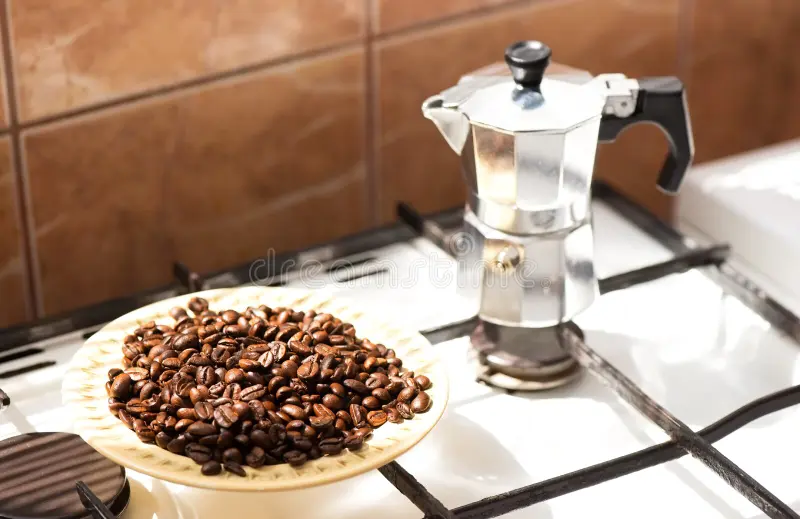
Key Takeaway
Ethiopian coffee moka pot brewing produces an intensely flavourful, concentrated cup that amplifies the fruit and chocolate notes in these beans. Use a medium-fine grind (slightly coarser than espresso), fill the basket loosely with 15-20 g of coffee, add hot water to just below the safety valve, and brew on low heat for 4-5 minutes. Washed Yirgacheffe yields a bright, citrusy shot; natural Guji and Sidamo deliver a syrupy, berry-forward brew. A light to medium roast preserves the origin character that makes Ethiopian beans exceptional.
The moka pot is one of the most accessible ways to brew strong, espresso-style Ethiopian coffee at home without an expensive machine. Invented in Italy in 1933, this stovetop brewer uses steam pressure to push hot water through ground coffee, producing a concentrated, full-bodied cup. Pair it with Ethiopian single-origin beans, and you get something most generic moka pot guides overlook: a brew that is both bold and complex, with the floral, fruit, and spice characteristics that Ethiopian coffee is known for. This guide covers bean selection, grind size, step-by-step brewing, common mistakes, and region-specific recommendations so you can brew the best possible Ethiopian coffee moka pot cup at home.
Ethiopian Beans sources exclusively through our family export company, Ethio Coffee Export, in Ethiopia. Every recommendation here is grounded in direct experience with these specific single-origin lots, roasted in Canada and shipped fresh to your door.
Why Ethiopian Coffee Works in a Moka Pot
Most moka pot advice centres on dark Italian roasts and blends. That approach works, but it misses what makes the moka pot genuinely interesting: its ability to concentrate and amplify flavour compounds. The International Coffee Organization (ICO) classifies Ethiopia as Africa's largest coffee producer, and the country grows exclusively Arabica — much of it from heirloom varieties with flavour profiles that include jasmine, bergamot, blueberry, stone fruit, and dark chocolate. The moka pot's pressurised extraction intensifies those notes, creating a cup that is richer and more aromatic than a standard drip or pour over.
Three qualities make the moka pot a strong match for Ethiopian beans:
- Concentrated extraction: Steam pressure (about 1-2 bar) pushes water through the grounds more forcefully than gravity-based methods. This pulls out more soluble flavour compounds, giving Ethiopian coffees a syrupy intensity that you do not get from a pour over or drip.
- Body and sweetness: The metal filter in a moka pot allows natural coffee oils to pass into the cup. These oils carry sweetness and body, which complement the bright acidity of washed Ethiopian lots and add depth to fruity natural-process beans.
- Affordability and simplicity: A quality moka pot costs $30-50 CAD, requires no electricity (just a stovetop), and lasts for years. According to the Coffee Association of Canada, over 70% of Canadian adults drink coffee daily — the moka pot is one of the most cost-effective ways to brew concentrated coffee at home.
If you are exploring different brewing methods for Ethiopian coffee, our guide to brewing Ethiopian coffee at home compares the moka pot with pour over, French press, AeroPress, and other methods.
Choosing the Right Ethiopian Beans for Moka Pot
Bean selection matters more with a moka pot than with most other brewers. The concentrated extraction amplifies every characteristic, so a bean's strengths come through clearly and any off-flavours become noticeable. Here is how to choose:
Roast Level
Light to medium roasts preserve the origin-specific flavour notes that make Ethiopian coffee distinctive. A light-roasted washed Yirgacheffe brewed in a moka pot delivers concentrated citrus and jasmine. A medium roast adds caramel sweetness and rounds out the acidity, making it approachable for those new to single-origin stovetop brewing. Dark roasts work too, but they trade origin complexity for roasty, bittersweet notes you could get from any bean. For more detail, see our guide to the best roast level for Ethiopian coffee.
Processing Method
Washed (wet-processed) Ethiopian coffees produce a cleaner, brighter moka pot brew with pronounced floral and citrus notes. Natural (dry-processed) beans yield a heavier, fruitier cup with blueberry, strawberry, and wine-like qualities. Both are excellent in a moka pot; the choice depends on whether you prefer brightness or sweetness. Our washed vs natural Ethiopian coffee guide breaks down the differences in detail.
Region Recommendations
| Region | Flavour in Moka Pot | Best Processing |
|---|---|---|
| Yirgacheffe | Bright lemon, jasmine, and bergamot with a clean finish | Washed |
| Guji | Concentrated blueberry, dark chocolate, and floral honey | Natural |
| Sidamo | Stone fruit, brown sugar, and mild spice | Washed or Natural |
| Harar | Bold dried fruit, wine, and dark chocolate | Natural |
| Limu | Balanced sweetness, mild citrus, and a smooth body | Washed |
Essential Moka Pot Equipment and Setup
You do not need much gear beyond the moka pot itself. Here is what to have on hand:
- Moka pot (3-cup or 6-cup): The "cup" measurement refers to espresso-sized servings (about 50 mL each), not standard mugs. A 3-cup pot produces roughly 150 mL, enough for one strong cup or a diluted Americano-style drink. A 6-cup pot produces about 300 mL.
- Burr grinder: A consistent medium-fine grind is essential. Blade grinders produce uneven particles that cause channelling and bitter extraction. A manual burr grinder starts at roughly $40-60 CAD and does the job well. For grinder settings and grind size details, see our Ethiopian coffee grind size guide.
- Kitchen scale: Measuring coffee by weight (grams) removes guesswork. A basic digital scale costs under $20 CAD.
- Kettle: Pre-boiled water is critical. Starting with hot water reduces the time the grounds sit on the stove and prevents the metallic, burnt taste that plagues many moka pot brews.
- Fresh, whole-bean Ethiopian coffee: Buy whole beans and grind just before brewing. Pre-ground coffee loses aromatic compounds within days. For storage tips, see our coffee storage guide for Canada.
Step-by-Step Ethiopian Coffee Moka Pot Brewing Guide
Follow these steps for a clean, flavourful moka pot brew with Ethiopian beans. The method uses pre-heated water, low heat, and a slightly coarser-than-espresso grind to keep extraction balanced and avoid bitterness.
Brewing Parameters
| Parameter | 3-Cup Moka Pot | 6-Cup Moka Pot |
|---|---|---|
| Coffee dose | 15 g | 28-30 g |
| Water volume | 150 mL | 300 mL |
| Ratio | 1:10 (coffee to brew output) | 1:10 (coffee to brew output) |
| Grind size | Medium-fine (like table salt) | Medium-fine (like table salt) |
| Water temperature | Pre-boiled, ~95 °C | Pre-boiled, ~95 °C |
| Heat setting | Low to medium-low | Low to medium-low |
| Total brew time | 4-5 minutes | 5-6 minutes |
Instructions
- Boil your water. Bring a full kettle to a boil, then let it rest for 30 seconds to reach approximately 95 °C. Starting with hot water is the single most important step for a clean moka pot brew. Cold water forces the grounds to sit on a heating stovetop for too long, cooking them and producing bitter, metallic flavours.
- Grind your Ethiopian coffee. Weigh out 15 g (3-cup) or 28-30 g (6-cup) of beans and grind to a medium-fine consistency, similar to table salt. This is slightly coarser than a true espresso grind. Too fine and the water cannot pass through evenly; too coarse and the brew will be weak and watery.
- Fill the bottom chamber with hot water. Pour the pre-boiled water into the moka pot's bottom chamber up to just below the safety valve. Never exceed the valve; it is a pressure-release mechanism and must remain clear. Use a towel or oven mitt to hold the chamber, as it will be hot.
- Add coffee to the filter basket. Place the filter basket into the bottom chamber and fill it with the ground coffee. Level the grounds with your finger but do not tamp or press them down. Tamping creates too much resistance and leads to over-extraction and bitter flavours.
- Assemble the moka pot. Screw the top chamber onto the base firmly but without forcing it. Ensure the rubber gasket is seated properly for a good seal.
- Place on low heat. Set the moka pot on a stovetop burner at low to medium-low heat. If you are using a gas stove, make sure the flame does not extend beyond the base of the pot. The lid can stay open so you can watch the extraction.
- Watch for the first stream. After 2-3 minutes, coffee should begin flowing into the upper chamber in a steady, honey-coloured stream. If it sputters and spits from the start, the heat is too high; lower it immediately.
- Remove from heat before it finishes. When the upper chamber is about 80 % full and you hear a gurgling or hissing sound, remove the pot from the heat immediately. This prevents the final blast of steam from scorching the coffee. Place the base under cold running water or on a cold towel to stop extraction completely.
- Serve immediately. Give the coffee a quick stir in the upper chamber to mix the first and last portions of the brew, which can differ in strength. Pour and enjoy on its own, or add hot water for an Americano-style cup.
Common Moka Pot Mistakes and How to Fix Them
Most moka pot problems stem from three variables: grind size, heat level, and water temperature. Here are the issues home brewers encounter most often and how to correct them.
| Problem | Likely Cause | Fix |
|---|---|---|
| Bitter, burnt taste | Heat too high; cold water start; grind too fine | Use pre-boiled water; reduce heat; coarsen grind one notch |
| Weak, watery brew | Grind too coarse; not enough coffee | Grind finer; ensure basket is full (not tamped) |
| Sputtering and spraying | Heat too high; channelling from uneven grounds | Lower heat; level grounds evenly without tamping |
| Metallic or astringent taste | Old gasket; residue buildup; over-extraction | Replace the rubber gasket; clean thoroughly; remove from heat earlier |
| No coffee comes out | Grind too fine, blocking flow; insufficient heat | Coarsen grind significantly; increase heat slightly |
If you are troubleshooting grind size across multiple brewing methods, our comprehensive grind size guide includes a comparison chart for moka pot, espresso, pour over, French press, and AeroPress.
Washed vs Natural Ethiopian Coffee in a Moka Pot
Processing method has a significant impact on how Ethiopian coffee tastes in a moka pot. The concentrated extraction amplifies the differences between washed and natural beans, making this choice more noticeable here than in a pour over or drip brewer.
- Washed Ethiopian beans produce a clean, bright, and structured moka pot brew. Expect pronounced citrus, floral, and tea-like notes with a crisp finish. Washed Yirgacheffe is the classic choice: lemon zest and jasmine concentrated into a small, intense cup.
- Natural (dry-processed) Ethiopian beans yield a heavier, sweeter, and more fruit-forward brew. Blueberry, strawberry jam, and wine-like acidity become even more pronounced under pressure. Natural Guji and Harar are exceptional in a moka pot, producing an almost liqueur-like intensity.
For a deeper comparison, read our washed vs natural Ethiopian coffee guide.
Moka Pot vs Other Brewing Methods for Ethiopian Coffee
How does the moka pot compare to other popular brewing methods for Ethiopian beans? Each method highlights different aspects of the coffee. Here is a quick comparison:
| Method | Body | Clarity | Best For |
|---|---|---|---|
| Moka Pot | Heavy | Moderate | Concentrated, intense cups; natural-process beans |
| Pour Over | Light to medium | High | Delicate florals and citrus; washed beans |
| French Press | Heavy | Low | Full-bodied, chocolatey cups; natural-process beans |
| AeroPress | Medium | High | Clean, balanced cups; versatile for all process types |
| Espresso | Very heavy | Moderate | Maximum intensity; medium roasts with chocolate and fruit |
The moka pot occupies a unique middle ground: more body and intensity than a pour over, more clarity than a French press, and a fraction of the cost of an espresso machine. It is an excellent option for anyone who enjoys bold Ethiopian coffee without investing in expensive equipment.
Moka Pot Care and Maintenance
Proper maintenance keeps your moka pot performing well and prevents off-flavours from building up over time.
- Rinse after every use. Disassemble the pot and rinse all parts with warm water. Avoid dish soap; it can leave residue that affects flavour. A thin layer of coffee oils on the inner walls is normal and even beneficial.
- Replace the gasket regularly. The rubber gasket and metal filter plate wear out over time. Replace them every 6-12 months, or sooner if you notice a weak seal, steam escaping from the sides, or a metallic taste.
- Inspect the safety valve. Check that the safety valve on the bottom chamber moves freely. If it is clogged or stuck, do not use the pot until it is cleaned or replaced.
- Deep clean monthly. Soak all parts in a mixture of warm water and a small amount of white vinegar (or citric acid) for 30 minutes, then rinse thoroughly. This removes mineral deposits, especially important if you have hard water.
Ethiopian coffee moka pot brewing is one of the simplest and most rewarding ways to experience the full intensity of these beans at home. With the right grind, low heat, and pre-boiled water, any of Ethiopia's major regions — Yirgacheffe, Guji, Sidamo, Harar, or Limu — will produce a concentrated, aromatic cup that rivals far more expensive brewing setups.
Frequently Asked Questions
Can you use light roast Ethiopian coffee in a moka pot?
Yes. Light roast Ethiopian coffee works well in a moka pot when you use pre-boiled water and low heat. The pressurised extraction compensates for the density of light roasts, pulling out bright citrus and floral notes without the sourness that can occur in gravity brewers. Washed Yirgacheffe at a light roast is an excellent starting point.
What grind size should I use for Ethiopian coffee in a moka pot?
Use a medium-fine grind, similar to table salt and slightly coarser than espresso. This allows water to flow through at the right rate without clogging or channelling. If your brew tastes bitter, coarsen the grind by one setting. If it tastes weak, go finer. A burr grinder gives the most consistent results.
How do I prevent bitter coffee from a moka pot?
Start with pre-boiled water, keep the heat low, and remove the pot from the stovetop as soon as you hear gurgling. These three steps prevent over-extraction, which is the main cause of bitterness. Also ensure your grind is not too fine and your gasket is in good condition.
Is moka pot coffee the same as espresso?
No. Moka pots brew at roughly 1-2 bar of pressure, while espresso machines operate at 9 bar. Moka pot coffee is strong and concentrated, but it has less crema and a different texture than true espresso. It is sometimes called stovetop espresso, though the brewing process and result are distinct. For a true espresso guide, see our Ethiopian coffee espresso guide.
Where can I buy Ethiopian coffee for moka pot in Canada?
Ethiopian Beans ships freshly roasted single-origin Ethiopian coffee across Canada. Every lot is sourced at origin through Ethio Coffee Export, our family export company in Ethiopia, and roasted specifically for the Canadian market. Orders ship domestically with no import delays.
Premium Ethiopian Coffee, Shipped Fresh Across Canada
Ethiopian Beans sources directly at origin through our family export company, Ethio Coffee Export, in Ethiopia. Every lot is traceable to its region and processing method, roasted in Canada, and shipped fresh to your door. Washed Yirgacheffe and natural Guji are exceptional in a moka pot and in stock now.
Orders ship domestically within Canada. No import delays, no customs surprises.
Related Articles
Brewing & Preparation
About This Insight: Written by Ethiopian Beans, a Canadian coffee company sourcing at origin in Ethiopia through Ethio Coffee Export, our family export operation with over 30 years of heritage in the Ethiopian coffee trade. For current product availability, pricing, or questions about our coffees, please contact us.