By Ethiopian BeansApr 23, 202611 min read
How to Read Ethiopian Coffee Labels in Canada
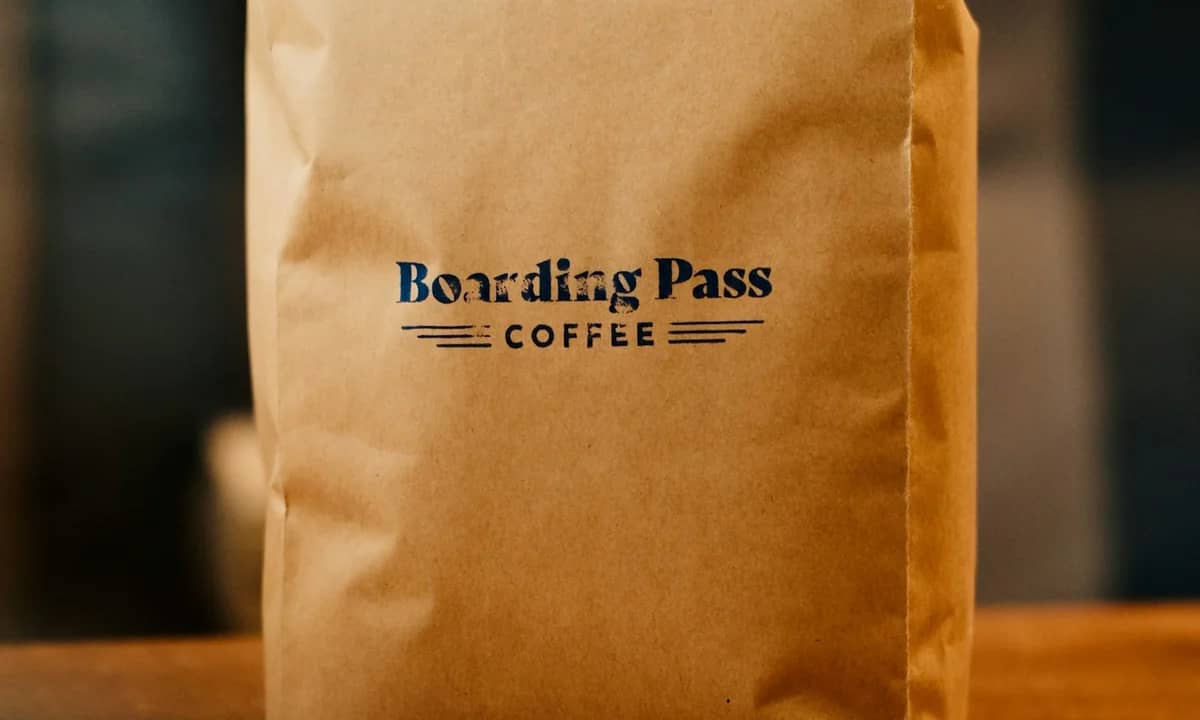
The prettiest bag on the shelf is often the wrong one to buy. If a label gives you dreamy flavour notes but hides the roast date, the origin, and the processing method, it is asking you to trust branding instead of information. Learning how to read Ethiopian coffee labels in Canada helps you spend more carefully and brew far better coffee at home.
That matters even more now. The Coffee Association of Canada reported that 71% of Canadians drank a coffee beverage the previous day in 2025, even as prices kept climbing. When your next bag costs $22 CAD instead of $16, the label needs to earn that premium.
How to Read Ethiopian Coffee Labels in Canada in 60 Seconds
Key Takeaway
- Check for a roast date first. A best before date does not tell you when the coffee was roasted.
- Look for a specific Ethiopian origin such as Yirgacheffe, Guji, Sidamo, Harar, or Limu, not just “Ethiopia.”
- Use processing method and roast level together to predict the cup: washed usually reads cleaner, natural usually tastes fuller and fruitier.
- Use certifications as supporting information, not as a replacement for freshness and traceability.
If you only remember one sequence, make it this: date, origin, process, roast, format. Everything else is secondary. That five-step scan will steer you better than chasing poetic flavour words on the front of the bag.
1. Roast date
Freshness decides whether the coffee still has the flavour potential the rest of the label promises.
2. Specific origin
Region tells you more than country alone. Ethiopian coffee changes dramatically from one zone to another.
3. Processing method
Washed, natural, and honey give you an early clue about clarity, body, and sweetness.
4. Roast and format
Light to medium whole bean usually preserves more Ethiopian character than dark roast or unspecified pre-ground coffee.
Start With the Roast Date, Not the Tasting Notes
This is the most useful line on the whole bag. A roast date tells you when the freshness clock started. Generic label guides get this right, but they rarely connect it to how quickly Ethiopian coffee can lose its delicate aromatics. That matters because these coffees often rely on lifted florals, transparent acidity, and a long sweet finish rather than roast-heavy intensity.
A helpful rule for most whole bean Ethiopian coffee is simple: buy within 7 to 28 days of roast when possible, especially for filter brewing. The exact sweet spot changes by roast style and brew method, but a clearly printed roast date is still the strongest sign that the roaster expects you to judge freshness for yourself. Our whole bean vs ground guide shows why this matters even more once the bag is opened.
Canadian labelling rules make this distinction worth knowing. The Canadian Food Inspection Agency explains that a best before date tells you how long an unopened product should keep its freshness and quality when properly stored. It is not the same as an expiration date, and it does not tell you when coffee was roasted. If a bag only shows best before, you still do not know whether it was roasted last week or last season.
Quick dating rule
Best case: clearly printed roast date.
Acceptable fallback: packaged on date plus durable-life information.
Weak signal: best before date only.
Walk away: no date information at all on a premium-priced bag.
Origin Should Get More Specific Than “Ethiopia”
A good Ethiopian label does not stop at the country name. It should tell you the region, and sometimes the district, cooperative, or washing station. That extra detail is not pretension. It is the fastest route to buying a bag that matches your taste.
Here is the practical version. Yirgacheffe often lands with a light, sheer texture and a polished finish. Guji usually feels rounder through the middle of the cup and lingers with ripe fruit sweetness. Sidamo tends to sit in the centre, easy to drink and sugar-toned without feeling plain. Harar is bolder, drier, and more rustic. Limu often reads composed and mellow, with sweet spice and soft citrus peel.
If you are still deciding which origin belongs in your grinder, our Ethiopian coffee regions comparison gives the full side-by-side view. On the bag itself, though, you do not need a thesis. You just need enough origin detail to predict the cup with some confidence.
Processing Method Tells You How the Coffee Will Behave
After roast date and origin, processing method is the next clue to trust. Ethiopian labels usually mention washed or natural, and occasionally honey or a more experimental fermentation style. That one line tells you far more than a decorative flavour wheel ever will.
- Washed: cleaner structure, clearer acidity, and more separation between flavour layers. Excellent for pour over, Chemex, and careful cup evaluation.
- Natural: heavier body, deeper sweetness, and more fruit concentration. Great for espresso, French press, and drinkers who like a louder cup.
- Honey or experimental lots: worth trying, but not the safest first bag if the rest of the label is vague.
If you want a deeper explanation of how these methods shape flavour, our washed vs natural Ethiopian coffee guide breaks the mechanics down. On a store shelf, the decision is simpler: washed if you want clarity, natural if you want weight and sweetness.
Roast Level, Altitude, and Grade Are Supporting Clues
These details matter, but only after date, origin, and process have passed inspection. Roast level tells you how much origin character is likely still visible. Light to medium roasts usually preserve more Ethiopian identity. Darker roasts can still taste good, but the coffee will speak more in roast tones than in regional ones. Our roast guide is useful here if you are buying for a specific brewer.
Altitude is often listed in metres above sea level. It is not a guarantee of quality, but it does help you anticipate style. Higher-elevation lots usually bring sharper definition and more lift in the cup. Lower ranges within Ethiopia often feel broader and softer. If the bag lists altitude and a named origin together, that is usually a sign the roaster is taking traceability seriously.
Grade belongs in the same bucket. Ethiopian Grade 1 and Grade 2 coffees are standard territory for specialty buyers. If the label mentions grade, good. If it does not, that alone is not a problem. Still, when a roaster includes grade along with process and region, you are seeing more than marketing copy. You are seeing sourcing detail. Our grade explainer covers what those numbers mean in practical terms.
A Canadian Buyer's Decision Tree
Use this when you are down to two or three bags and want the fastest way to choose.
If you brew pour over and want a cleaner cup: buy a washed Ethiopian with a roast date inside the last four weeks, ideally from Yirgacheffe or Limu.
If you make espresso or milk drinks: choose a natural or medium roast lot from Guji or Sidamo, and avoid bags with no process information.
If you are buying for everyday filter coffee: favour the label that gives the clearest origin and roast-date detail, even if another bag sounds more exciting on the front.
If one bag is certified but vague, and the other is uncrowded but transparent: pick the transparent one first, then use certifications as the tie-breaker.
Buying with that sequence usually beats buying by flavour-note fantasy. It also pairs well with our buyer's guide to Ethiopian coffee, which goes wider on regions, roast levels, and where to shop in Canada.
Canadian Claims Worth Reading Carefully
Canadian shoppers see a mix of imported bags, domestically roasted coffee, and specialty lots sold online with different labelling habits. That makes a few claims worth slowing down for.
Best before and packaged on
The CFIA explains that best before dates speak to expected quality for a properly stored unopened food, while packaged on dates can appear on foods with a durable life of 90 days or less when paired with durable-life information. For coffee, those are useful consumer signals, but neither replaces a roast date when you care about peak flavour.
Organic claims
Organic is not a casual adjective in Canada. The CFIA organic products guidance notes that foods carrying an organic claim and sold between provinces or imported must comply with the Canada Organic Regime. That means the logo can matter, but it still does not tell you whether the roast is fresh or the sourcing is detailed. If organic matters to you, combine that claim with traceability rather than treating it as a shortcut.
Domestic shipping and freshness
Many Canadian buyers assume shipping is the freshness problem. Usually the label tells the bigger story. A bag roasted in Canada last week and shipped domestically is often in better shape than a bag that has been sitting in a warehouse for months with only a distant best before date. Our ordering information page explains how domestic delivery works when you buy directly from Ethiopian Beans.
Red Flags on an Ethiopian Coffee Bag
- No roast date: the roaster has removed the easiest way for you to judge freshness.
- Country only, no region: “Ethiopia” alone is not much help when you are paying specialty prices.
- No processing detail: you are missing one of the best predictors of cup style.
- Ground coffee with no grind designation: convenient, yes, but risky if you do not know whether it suits your brewer.
- Certification-heavy, traceability-light marketing: logos are useful, but they should not be the whole story.
- Flavour language with no sourcing facts: if the bag sounds vivid yet says very little, treat that as a warning.
Want to avoid the last mistake entirely? Cross-check the label against the basics in our tasting notes guide and storage guide for Canada. Those two pieces tell you whether the bag likely tastes right and whether you can keep it tasting that way once it arrives.
FAQ: Reading Ethiopian Coffee Labels in Canada
What is the most important thing on an Ethiopian coffee label?
Start with the roast date. Ethiopian coffee often relies on delicate aromatics and clear structure, so freshness shapes the whole experience. Origin and processing method matter too, but they only matter if the coffee is still fresh enough to show what the label promised.
Is a best before date enough when buying coffee in Canada?
Not if flavour is your priority. CFIA guidance makes clear that best before dates describe expected quality for unopened products, not the roast moment. For specialty coffee, that difference is huge. A roast date lets you judge freshness; a best before date usually leaves you guessing.
Do tasting notes mean flavour was added to the coffee?
No. Those notes are a sensory shorthand, not an ingredient list. When a bag says plum, cocoa, or citrus peel, it is describing how the coffee may read in the cup. If flavouring has been added, the packaging should state that clearly rather than hiding it in tasting language.
Should I only buy certified Ethiopian coffee?
It depends on what you are trying to verify. Certifications such as organic or Fair Trade can add useful context, and some claims are regulated in Canada. Still, a non-certified bag with clear region, roast date, process, and producer detail can be a better buy than a certified bag that tells you very little.
Conclusion: Read the Label Like a Buyer, Not a Browser
How to read Ethiopian coffee labels in Canada comes down to discipline, not jargon. Check freshness first, then confirm origin, process, roast level, and format. Once you do that a few times, the shelf stops looking crowded and starts looking legible.
Ethiopian Beans sources at origin through our family export operation, Ethio Coffee Export, then roasts for Canadian customers who want more than generic coffee copy on a bag. If you want your next purchase to feel informed rather than random, the label is where that confidence begins.
Put Label Knowledge to Work
Browse Ethiopian coffees with roast-date transparency, region-level sourcing detail, and practical information you can actually use before you buy.
You get origin-connected coffee sourced through our family export company, roasted for the Canadian market, and shipped domestically with clear support if you need help choosing a bag.
Related Articles
Buying Basics
Origin and Quality
Brewing Payoff
Useful Next Steps
About This Insight: Written by the Ethiopian Beans team for Canadian home brewers and shoppers, with sourcing context from Ethio Coffee Export in Ethiopia. Public references are linked where labelling or market claims matter. Product availability and shipping details can change, so contact us if you need current guidance.