By Ethiopian BeansApr 26, 20269 min read
Is Ethiopian Coffee Acidic? A Guide for Canadians
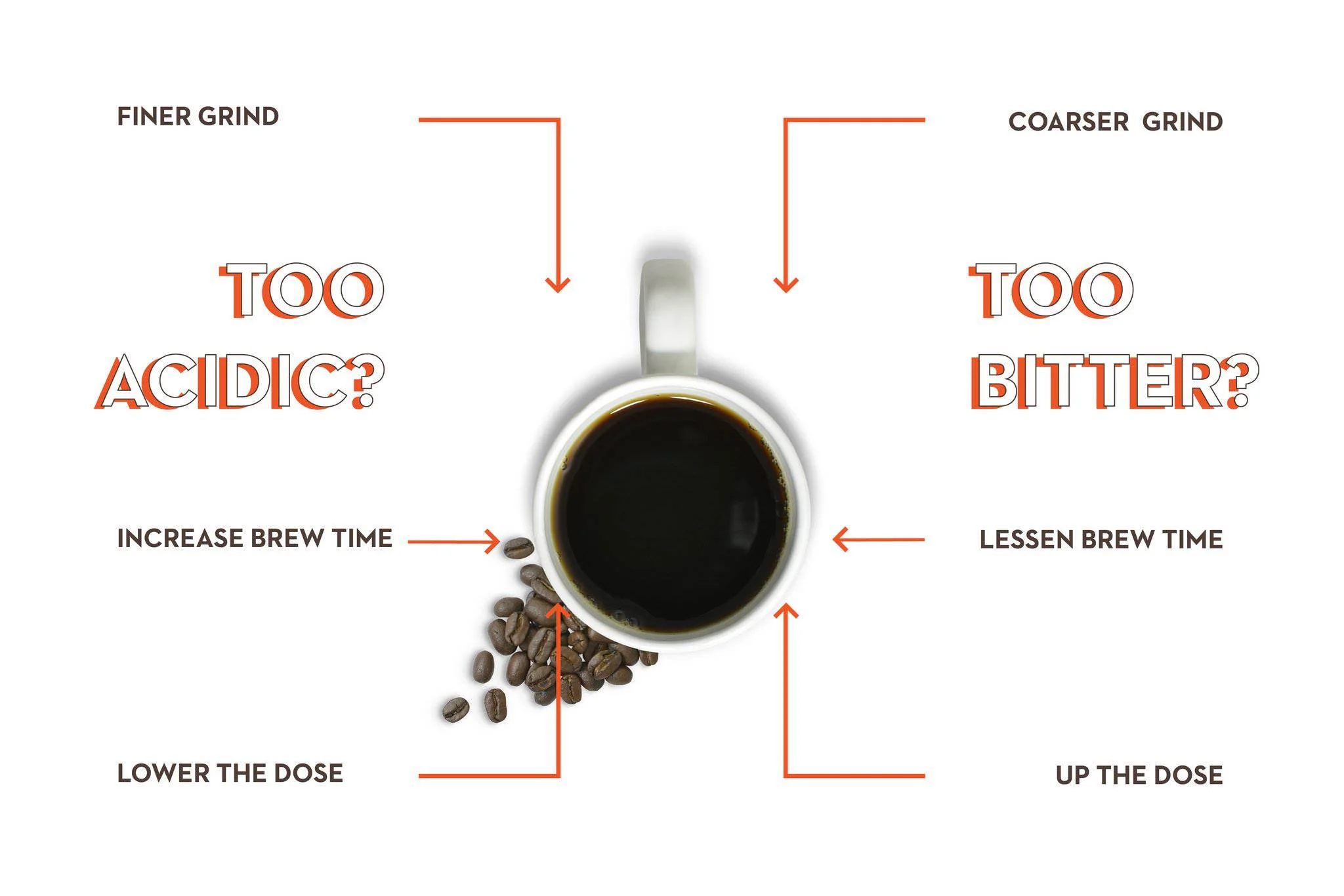
In 2025, 71% of Canadians reported drinking a coffee beverage the previous day, according to the Coffee Association of Canada. Even with coffee that common, one word still gets mangled: acidic. It gets used to mean sharp, sour, low quality, or hard on the stomach, even though those are not the same thing.
Is Ethiopian coffee acidic? In flavour terms, usually yes. Ethiopian coffees often show more lift and sparkle than Brazilian or Sumatran coffees. That does not mean every bag tastes aggressive, and it does not mean you need to abandon Ethiopian coffee if you prefer a smoother cup. The practical question is simpler: which Ethiopian coffees feel crisp and polished, and which ones drink rounder in a Canadian home setup?
Is Ethiopian Coffee Acidic? The Short Answer
Key Takeaway
- Ethiopian coffee usually carries medium to high perceived acidity, especially in washed light roasts.
- Perceived acidity is flavour brightness, not just a pH number on paper.
- Natural processing, medium roasting, French press, cold brew, and decaf all tend to soften the edge.
- If you want a gentler Ethiopian coffee in Canada, start with Limu, medium-roast Sidamo, or Swiss Water decaf before reaching for darker non-Ethiopian origins.
That distinction matters because Ethiopian coffee covers a wide range. A washed Yirgacheffe can feel light-footed and lifted, while a medium-roast Sidamo or Limu often lands with more cushion through the middle of the cup. If you are still deciding what belongs in your grinder, our buyer's guide to Ethiopian coffee gives the wider selection picture. This article stays focused on acidity and how to control it.
Acidity Is Not the Same as Sourness or Low pH
Most ranking pages flatten this topic into a yes-or-no answer. That is the weak version. The more useful version is this: acidity in coffee is mostly a sensory question first. Royal Coffee's breakdown of coffee acidity notes that brewed coffee still tends to sit in a mildly acidic pH range overall, while roast level, origin, and processing change how acidity is perceived in the cup. In other words, bright does not automatically mean harsh.
A balanced Ethiopian coffee can remind you of crisp orchard fruit, citrus peel, or a clean tea-like finish. A badly extracted coffee tastes thin, pointy, and unfinished. Those are different experiences. If your cup is reading as sour instead of lively, your water, grind, or brew time may be the real problem. That is why our water guide solves more disappointing brews than most new gadgets ever will.
Myth: acidic means bad coffee
Pleasant acidity gives coffee definition and momentum. Without it, even expensive beans can taste flat and sleepy.
Myth: Ethiopian coffee is always too sharp
Region, process, roast, and brewer can shift the cup dramatically. Limu and medium-roast Sidamo usually drink gentler than washed Yirgacheffe.
Myth: low acid and higher pH are the same claim
They overlap only partly. Many “low-acid” coffee claims are really about softer flavour perception, darker roasting, or decaf.
What Pushes Ethiopian Coffee Toward Higher or Lower Acidity
You do not need a lab to predict the cup. Four variables tell you most of what you need to know before you brew.
1. Region
Yirgacheffe often feels feather-light with a lifted finish, so it usually reads brighter. Limu tends to land rounder, calmer, and more spice-toned. Sidamo often sits in the middle and makes an easier daily cup. Harar brings more weight and a drier finish, which can make the acidity feel less forward.
2. Processing method
Washed coffees usually separate flavours more clearly, so acidity stands closer to the front. Natural coffees carry more fruit sweetness and texture, which makes brightness feel rounder rather than sharper. Our washed vs natural Ethiopian coffee article is useful if you want the full process-driven flavour shift.
3. Roast level
Light roast keeps the most lift. Medium roast usually gives the best compromise for people who want Ethiopian character without a pointed edge. Very dark roast lowers perceived acidity further, but it also pushes roast flavour over origin. That is why our roast guide keeps steering new buyers toward light-to-medium rather than dark.
4. Brewer choice
Paper-filter brewers such as V60 or Chemex spotlight structure and top notes. Immersion methods soften edges by building more body. If you already know you dislike high-energy brightness, French press or cold brew is a smarter starting point than a washed light roast in a thin paper filter.
The fast read is simple. If you want the brightest lane, choose washed, light, and paper-filtered. If you want the gentler lane, choose natural or medium roast, then brew with more body in the cup.
A Canadian Buyer's Decision Tree for Lower-Acid Ethiopian Coffee
Generic acidity articles stop at origin and roast. A Canadian shopper needs a buying path. Use this one when you are choosing between bags online or in a roaster's shop.
If you drink coffee black and dislike sharp finishes: start with Limu or medium-roast Sidamo. Those profiles usually feel steadier and less pointed than washed Yirgacheffe.
If you make milk drinks: choose natural Sidamo or medium-roast Guji. The extra body and sweetness stand up to milk better, so the acidity feels integrated instead of exposed.
If stomach comfort is the main issue: do not treat origin as the only lever. Test a Swiss Water Ethiopian decaf or a medium roast before deciding Ethiopian coffee is the problem.
If freshness matters more than anything: buy whole bean, look for a roast date, and choose a Canadian roaster that ships domestically. Our whole bean vs ground comparison and label guide make that screen much easier.
One more practical note. If you already know you want the softest possible start, skip the heroic experiment. Do not begin with a washed light roast brewed as pour over. Start with a smoother profile, learn the origin, then move brighter once your palate has a reference point.
How to Brew Ethiopian Coffee So It Tastes Rounder
You can soften perceived acidity without burying the coffee. These are the cleanest adjustments to make first.
- Lower the brew temperature slightly for washed light roasts. Start around 90 to 92 °C instead of pushing hotter water through a delicate coffee.
- Use a steadier ratio. For filter brewing, 15 g of coffee to 250 mL of water is a useful middle ground. Very high-strength brews can make acidity feel more abrupt.
- Choose more body if that is what your palate wants. French press, AeroPress with a fuller recipe, or cold brew all move the cup toward softness.
- Fix your water before changing origins. Overly soft water can make the cup feel thin and sour; high-alkalinity water can flatten sweetness and leave the acidity awkward. Balanced water matters.
- Use milk or move to decaf if the issue is not just flavour. If black coffee still feels too edgy, changing the format may solve it faster than changing the country.
The point is not to erase acidity entirely. Ethiopian coffee without any lift can feel anonymous. The goal is control, not suppression.
What Most Ranking Articles Miss
The current search results mostly repeat three lines: Ethiopian coffee is acidic, light roasts are brighter, dark roasts are softer. All true. None of it is enough to help you buy. They rarely tell you that Limu is usually a safer entry point than washed Yirgacheffe, that a medium roast can be the smarter compromise than a dark roast, or that domestic Canadian shipping plus a clear roast date will improve your odds more than chasing vague “low-acid” product copy.
That is where origin-connected sourcing helps. Ethiopian Beans sources at origin through our family export operation, Ethio Coffee Export, then roasts for Canadian customers who want specifics instead of generic flavour talk. You can buy for your palate, not just for a marketing headline.
FAQ: Ethiopian Coffee Acidity
Is Ethiopian coffee more acidic than Colombian or Brazilian coffee?
Usually, yes in flavour terms. Ethiopian coffee often tastes brighter and more lifted than Brazilian coffee, and brighter than many Colombian coffees as well. That said, a medium-roast Sidamo or Limu can drink far softer than the stereotype, especially if you brew with more body and less paper-filter clarity.
Which Ethiopian region tastes least acidic?
Limu is often the safest first pick if you want a gentler Ethiopian cup. It tends to feel rounder and calmer than washed Yirgacheffe. Harar can also read lower in acidity because its heavier structure shifts attention toward body and finish. Medium-roast Sidamo is another practical middle-ground choice.
Does darker roast Ethiopian coffee have less acidity?
Yes, perceived acidity usually drops as roast level moves darker. The trade-off is that you also lose more of the origin character that makes Ethiopian coffee worth buying in the first place. Medium roast is often the better compromise because it softens the edge without flattening the cup into generic roast flavour.
What if Ethiopian coffee seems hard on my stomach?
Start by separating flavour preference from physical discomfort. If you only dislike brightness, change roast, process, or brewer first. If the issue is comfort, decaf is usually the cleaner test because caffeine can matter too. If symptoms keep showing up, it is worth checking with a healthcare professional rather than guessing from coffee forums.
Conclusion: Bright Is Not the Same as Harsh
So, is Ethiopian coffee acidic? Usually yes, but not in one fixed way. The same origin can feel airy and sparkling, jammy and rounded, or calm and cocoa-toned depending on region, process, roast, and brewer. That is why broad statements about “high-acid Ethiopian coffee” only get you halfway there.
If you want a gentler cup, start with medium-roast Sidamo, Limu, or Ethiopian decaf from a Canadian roaster with clear sourcing and roast-date detail. If you enjoy brightness, keep the lift and tune the brew instead. Ethiopian coffee rewards precision, and in the right setup, its acidity is exactly what makes the cup feel alive.
Choose an Ethiopian Coffee That Drinks Smoother
Explore Ethiopian coffees with clear roast dates, region-level sourcing detail, and flavour profiles that let you choose between brighter and gentler cups with confidence.
You get coffee sourced at origin through our family export company, roasted for Canadian customers, and shipped domestically so freshness and support stay close to home.
Related Articles
Buying and Selection
Roast and Process
Brewing Control
About This Insight: Prepared by the Ethiopian Beans team for Canadian coffee drinkers, with sourcing context from Ethio Coffee Export in Ethiopia and public market references linked where relevant. Coffee preferences vary, and health questions can be individual, so contact us if you want help narrowing down the right bag.