Turkish Coffee with Ethiopian Beans: A Complete Guide
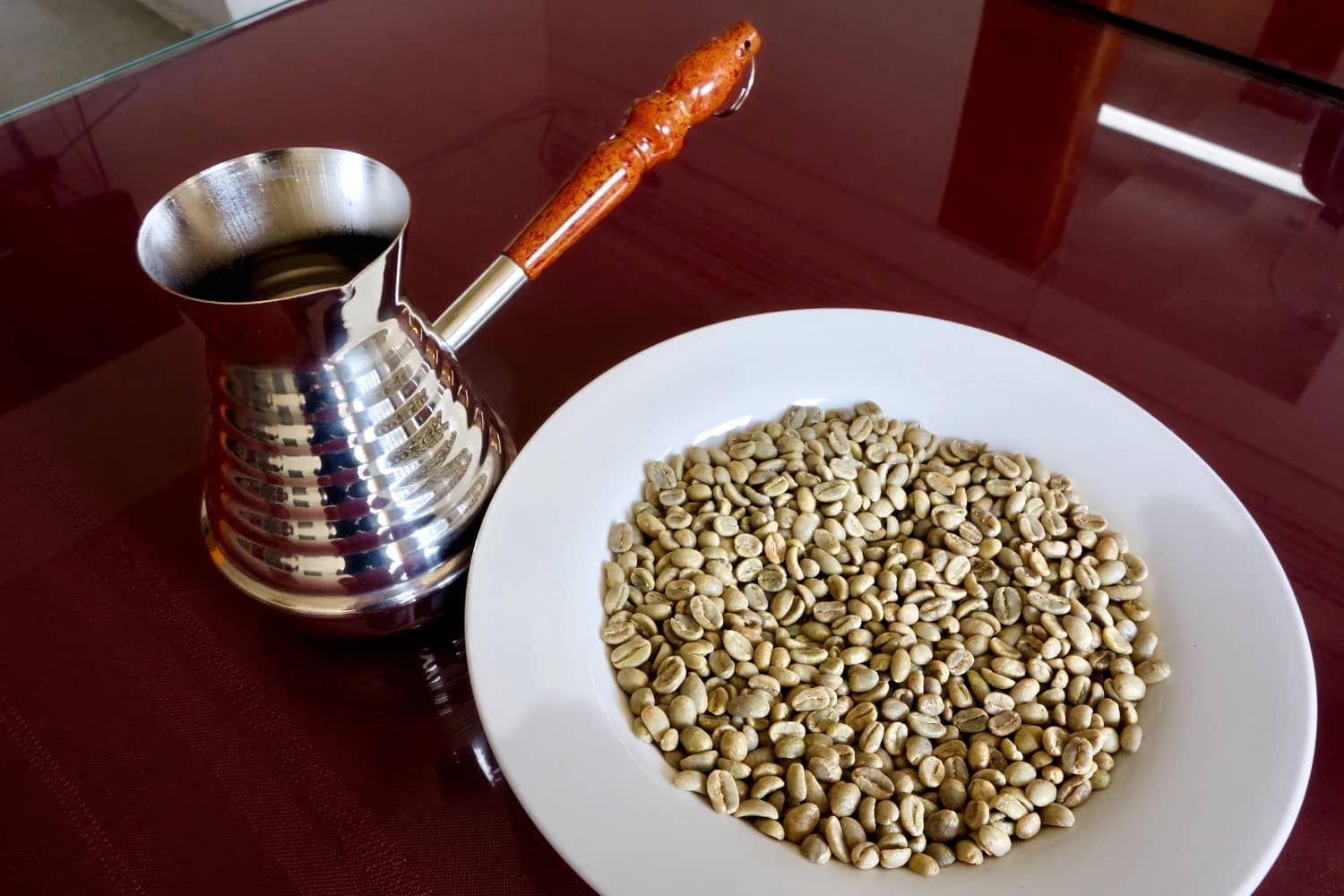
Key Takeaway
Ethiopian beans are the original Turkish coffee bean and remain one of the best choices for cezve brewing. Use 7 g of extra-fine ground coffee per 65 mL of cold water. Heat slowly over low flame until foam rises, then serve immediately. Washed Yirgacheffe produces a bright, jasmine-citrus Turkish coffee. Natural Harar delivers a rich, blueberry-wine character with heavy body. Both are available from Ethiopian Beans, sourced at origin through our family export company and shipped fresh across Canada.
Turkish coffee with Ethiopian beans is not a modern experiment. It is a return to the original pairing. Coffee first left Ethiopia for Yemen in the 15th century, and from there it reached the Ottoman Empire, where the cezve brewing method was refined into the tradition recognised by UNESCO in 2013. The beans that built that tradition were Ethiopian Arabica. Every cup of Turkish coffee you brew with Ethiopian beans connects to that history.
This guide covers why Ethiopian beans suit Turkish brewing, what equipment you need, how to grind and brew step by step, and which Ethiopian regions produce the best results in a cezve. Every recommendation draws from direct experience with beans sourced through our family export company, Ethio Coffee Export, in Ethiopia.
Why Ethiopian Beans Are Ideal for Turkish Coffee
Turkish coffee extracts more from the bean than almost any other brewing method. The ultra-fine grind and full immersion in heated water pull out every compound, flavour, and oil. This means the quality and character of the bean matter more here than in filtered methods that mask defects. Ethiopian Arabica delivers three qualities that make it exceptional for Turkish brewing:
- Aromatic complexity: Ethiopian beans carry jasmine, bergamot, stone fruit, and berry aromatics. The unfiltered Turkish method preserves these volatile compounds in the cup. You taste and smell the full origin character.
- Natural sweetness: Ethiopian coffees, especially natural-process lots from Guji and Harar, carry inherent fruit sweetness. This reduces the need for added sugar, which is optional in Turkish coffee despite what many recipes assume.
- Clean acidity: The citric and malic acids in washed Ethiopian coffees create a brightness that cuts through the concentrated body of Turkish coffee, preventing the cup from tasting flat or muddy.
Most pre-ground Turkish coffee sold in Canada uses commodity blends roasted dark enough to eliminate origin character. Brewing with freshly ground Ethiopian single-origin beans is a different experience entirely. You taste where the coffee comes from, not just that it is strong.
Equipment for Turkish Coffee
Turkish coffee requires minimal equipment, but each piece matters. Here is what you need:
Cezve (Ibrik)
A small, long-handled pot with a narrow neck and wider base. Copper cezves conduct heat evenly and give the best temperature control. Choose a size that matches your serving needs: a 2-cup (120-150 mL) cezve is ideal for beginners. The narrow neck helps form and hold the foam that defines Turkish coffee.
Grinder
Turkish coffee requires the finest grind possible, finer than espresso, closer to powdered sugar. A traditional Turkish hand mill (with conical steel burrs adjusted to their tightest setting) produces the correct texture. If using an electric burr grinder, set it to the finest setting available. Blade grinders are not suitable; they produce inconsistent particle sizes.
Demitasse cups
Turkish coffee is served in small cups holding 60-90 mL. The small volume matters: it concentrates flavour and allows the grounds to settle in the bottom third of the cup. Standard coffee mugs will not work for authentic results.
Cold filtered water
Always start with cold water. Measure it using the demitasse cup you plan to serve in: fill the cup with cold water all the way and pour it into the cezve. This ensures the ratio matches the cup size perfectly.
Getting the Grind Right
The grind is the single most important variable in Turkish coffee. It must be extremely fine: the consistency of flour or cocoa powder, with no visible grit when rubbed between your fingers. This is several clicks finer than espresso.
For a detailed breakdown of grind sizes across all brewing methods, see our Ethiopian coffee grind size guide.
Grind Settings by Grinder Type
- Turkish hand mill: Tighten the burr fully, then back off 1-2 clicks
- Commandante C40: 2-4 clicks from fully closed
- 1Zpresso JX-Pro: 5-10 clicks from zero
- Baratza Encore: Setting 1-2 (may not be fine enough for ideal results)
- Niche Zero: Setting 0-3
If your grinder cannot reach the required fineness, consider purchasing a dedicated Turkish hand mill. They are inexpensive ($20-40 CAD on Amazon.ca) and produce the correct particle size consistently. The grind quality directly affects foam formation, body, and mouthfeel.
How to Make Turkish Coffee with Ethiopian Beans
Recipe: 2 Servings
- Coffee: 14 g (2 heaped teaspoons), extra-fine Turkish grind
- Water: 130 mL cold filtered water
- Sugar: optional, 0-10 g per serving (add before heating)
- Cezve size: 150-200 mL capacity
- Measure cold water. Pour cold filtered water into the cezve. Use the demitasse cups to measure: fill each cup and pour into the cezve. This ensures accuracy.
- Add coffee and sugar. Add 7 g of extra-fine ground Ethiopian coffee per cup directly to the cold water. If using sugar, add it now. Stir gently until the coffee sinks and the sugar dissolves. Do not stir again after this point.
- Heat slowly. Place the cezve on a burner set to low-medium heat. The slow heating is critical: it takes 3-4 minutes for a 2-cup brew. Rushing with high heat produces a bitter, flat cup without foam. Watch the surface closely.
- Watch for foam. After 2-3 minutes, a dark ring will form around the edges and foam will begin to rise. The foam should be dense, uniform, and dark brown. This foam (called kaymak in Turkish) is the signature of well-brewed Turkish coffee.
- Remove before boiling. As the foam rises towards the rim, lift the cezve from heat immediately. Do not let it boil; boiling destroys the foam and makes the coffee harsh. For a thicker foam, you can return the cezve to heat and let the foam rise once more, but this is optional.
- Pour and serve. Spoon a small amount of foam into each demitasse cup first, then pour the coffee slowly. This distributes the foam evenly. Serve immediately with a glass of cold water on the side, which cleanses the palate between sips.
- Wait before drinking. Let the cup sit for 30-60 seconds. This allows the grounds to settle to the bottom. Drink from the top; stop when you reach the thick layer of grounds at the bottom of the cup.
Best Ethiopian Regions for Turkish Coffee
Each Ethiopian coffee region produces distinct flavour characteristics that the Turkish method amplifies. Here is how the five major regions perform in a cezve, based on direct experience with beans sourced through Ethio Coffee Export. For a broader comparison, see our Ethiopian coffee regions guide.
Harar (Natural Process)
The best match for Turkish coffee. Harar's blueberry, dark chocolate, and wine-like character intensifies in the cezve. The heavy body and low acidity produce a rich, syrupy cup with a lingering fruit finish. If you enjoy traditional Turkish coffee with body and depth, start here.
Flavour in cezve: blueberry, dark chocolate, dried fig, wine
Yirgacheffe (Washed)
The most distinctive Turkish coffee you can brew. Washed Yirgacheffe brings jasmine, lemon zest, and bergamot into the cup with a tea-like clarity that is unusual in unfiltered coffee. The acidity stays bright without becoming sharp. For anyone accustomed to dark, heavy Turkish coffee, this is a revelation.
Flavour in cezve: jasmine, lemon, bergamot, black tea
Guji (Natural Process)
Natural Guji splits the difference between Harar's richness and Yirgacheffe's brightness. Expect blueberry and peach sweetness with chocolate undertones and moderate body. The fruit sweetness in Guji makes sugar unnecessary. An excellent starting point if you are unsure which region to try.
Flavour in cezve: blueberry, peach, milk chocolate, honey
Sidamo (Washed or Natural)
Sidamo produces a balanced, approachable Turkish coffee. Stone fruit, caramel, and gentle citrus with medium body. Neither as bright as Yirgacheffe nor as heavy as Harar. This is the safest choice for guests who are new to single-origin Turkish coffee.
Flavour in cezve: apricot, caramel, orange peel, brown sugar
Limu (Washed)
Limu offers a softer, more delicate Turkish coffee. Expect honey, mild citrus, and herbal notes with a clean finish. The lighter body makes Limu a good choice for afternoon sipping or for those who find traditional Turkish coffee too intense.
Flavour in cezve: honey, lime, chamomile, light caramel
Which Roast Level for Turkish Coffee?
Traditional Turkish coffee uses a medium to medium-dark roast. This is the sweet spot for cezve brewing: the roast contributes body and caramelised sweetness while preserving the origin character of Ethiopian beans.
- Medium roast: Best for washed Yirgacheffe and Limu. Preserves floral and citrus complexity. Produces a brighter, more aromatic cup.
- Medium-dark roast: Best for natural Harar and Guji. Adds body and chocolate sweetness without eliminating fruit character. Closest to the traditional Turkish roast profile.
- Light roast: Possible but challenging. Very high acidity in unfiltered coffee can taste sour. Only recommended for experienced brewers who enjoy bright, acidic cups.
- Dark roast: Not recommended. Dark roasting eliminates the origin character that makes Ethiopian beans worth using. If the coffee tastes the same regardless of origin, the brewing method becomes the only variable.
For a complete breakdown, see our guide to roast levels for Ethiopian coffee.
Sugar, Spice, and Serving Traditions
Turkish coffee has four traditional sugar levels. Declare your preference before brewing, because sugar must be added to the cold water before heating:
- Sade: No sugar. Best for appreciating the full character of the Ethiopian beans.
- Az şekerli: A little sugar (about 2-3 g per cup). Slightly softens acidity.
- Orta şekerli: Medium sugar (about 5 g per cup). The most common choice.
- Çok şekerli: Very sweet (about 8-10 g per cup). Masks delicate origin flavours.
When using high-quality Ethiopian beans, try sade (no sugar) first. The natural sweetness in Guji and Harar beans often provides enough sweetness on its own. Washed Yirgacheffe benefits from az şekerli (a little sugar), which rounds out the bright acidity.
Cardamom is the most traditional spice addition. Crush a single green cardamom pod and add it to the cezve with the cold water. It complements the floral notes in Yirgacheffe and the fruit character in Guji. Other traditional additions include mastic gum (common in Greek-style preparation) and a few drops of rose water (common in Arabic-style preparation).
In Turkish tradition, the coffee is served with a glass of cold water and often a small piece of Turkish delight or chocolate. For Ethiopian beans, a piece of dark chocolate echoes the natural chocolate notes in Guji and Harar, making a natural pairing. For food pairing ideas, see our Ethiopian coffee food pairing guide.
Turkish Coffee vs Ethiopian Jebena Coffee
Both methods brew unfiltered coffee from Ethiopian beans, but the techniques and results differ:
| Turkish (Cezve) | Ethiopian (Jebena) | |
|---|---|---|
| Grind | Extra-fine (powder) | Fine to medium-fine |
| Vessel | Copper cezve | Clay jebena |
| Serving size | 60-90 mL | 50-70 mL (sini cups) |
| Foam | Essential (kaymak) | Not emphasised |
| Sugar | Added before brewing | Added after, per cup |
| Rounds | Single brew | Three rounds (abol, tona, baraka) |
| Spice | Cardamom (optional) | Rue, cardamom, cloves |
Both methods produce concentrated, full-bodied coffee. The Turkish method emphasises foam quality and single-serving precision. The Ethiopian jebena ceremony emphasises community, ritual, and three progressively milder rounds from the same grounds. For more on the Ethiopian tradition, see our complete guide to the Ethiopian coffee ceremony.
Common Mistakes to Avoid
- Boiling the coffee: The most frequent error. Boiling destroys foam, increases bitterness, and burns aromatic compounds. Remove from heat the moment foam rises to the rim.
- Stirring after adding coffee: Stir once when you add the coffee to cold water. After that, leave it alone. Stirring during heating disrupts foam formation.
- Using too large a cezve: A half-empty cezve cannot produce proper foam. Match the cezve size to the number of cups you are brewing. The liquid should fill roughly two-thirds of the vessel.
- Using pre-ground coffee: Pre-ground Turkish coffee loses its aromatic compounds within days of grinding. Grind fresh Ethiopian beans immediately before brewing for the best results.
- Adding sugar after brewing: In Turkish coffee, sugar must dissolve in the water before heating. Adding it after produces an uneven sweetness and disrupts the settled grounds.
Frequently Asked Questions
Can you use Ethiopian beans for Turkish coffee?
Ethiopian Arabica beans are among the best choices for Turkish coffee. Coffee originated in Ethiopia before reaching the Ottoman Empire, where Turkish brewing developed. Ethiopian beans bring floral, fruit, and citrus complexity to the cezve that commodity blends lack. Use a medium to medium-dark roast ground to extra-fine powder.
What is the best Ethiopian region for Turkish coffee?
Harar (natural process) is the strongest match for traditional Turkish coffee. Its blueberry, dark chocolate, and wine-like character intensifies in the cezve. For a brighter, more floral cup, try washed Yirgacheffe. Guji (natural) is the best all-around choice, balancing sweetness, body, and fruit complexity.
What grind size do you need for Turkish coffee?
Turkish coffee uses the finest grind of any brewing method: the consistency of flour or powdered sugar, with no grit between your fingers. A dedicated Turkish hand mill produces the best results. Standard electric burr grinders set to their finest level may still not be fine enough. See our grind size guide for details.
How is Turkish coffee different from espresso?
Espresso forces pressurised water through a coffee puck in 25-30 seconds and filters out the grounds. Turkish coffee steeps extra-fine grounds in water heated slowly over several minutes and serves them unfiltered. The result is a thicker, more concentrated cup with a different mouthfeel. Turkish coffee extracts more total flavour compounds. See our espresso guide for comparison.
Where can I buy Ethiopian beans for Turkish coffee in Canada?
Ethiopian Beans ships freshly roasted single-origin Ethiopian coffee across Canada. Our beans are sourced at origin through our family export company, Ethio Coffee Export, in Ethiopia. Order online and receive freshly roasted beans with fast domestic shipping. Grind them fresh at home for the best Turkish coffee results. Canada imports over 170,000 tonnes of green coffee annually, according to the Coffee Association of Canada.
Turkish coffee with Ethiopian beans brings speciality-grade complexity to one of the world's oldest brewing methods. The cezve amplifies the floral, fruit, and spice character that makes Ethiopian coffee distinctive. Start with natural Harar for a rich, traditional cup, or try washed Yirgacheffe for something bright and aromatic. Grind fresh, heat slowly, and respect the foam. Ethiopian Beans sources at origin through our family export company, Ethio Coffee Export, and ships freshly roasted beans across Canada. Whether you are new to Turkish coffee or looking for better beans for your cezve, single-origin Ethiopian coffee is where this tradition began.
Premium Ethiopian Coffee, Shipped Fresh Across Canada
Ethiopian Beans sources directly at origin through our family export company, Ethio Coffee Export, in Ethiopia. Every lot is traceable to its region and processing method, roasted in Canada, and shipped fresh to your door. Harar, Guji, and Yirgacheffe beans are in stock now and produce outstanding Turkish coffee.
Orders ship domestically within Canada. No import delays, no customs surprises.
Related Articles
Brewing & Preparation
All Insights · Export Services · About · Contact
About This Insight: Written by Ethiopian Beans, a Canadian coffee company sourcing at origin in Ethiopia through Ethio Coffee Export. For the most current information on our offerings, please contact us.